Article written by-Riggs McCurdy
There are lots of people who have actually been informed they can not receive LASIK eye surgical treatment due to inadequate corneal thickness. Fortunately, there are various other refractive surgical treatment alternatives for them to take into consideration.
These brand-new treatment options are much more efficient than LASIK at dealing with particular types of vision issues as well as reducing the demand for glasses or contacts. They're additionally extra cost effective than LASIK!
1. PRK
LASIK is a prominent laser vision correction surgical treatment, but not every person is an optimal prospect for it. This is specifically real for those with thin corneas or those who participate in energetic sporting activities or work in high-risk jobs that place them at a better threat of injury to their eyes.
Thankfully, there are various other lasik options that work and also risk-free for patients who don't get LASIK. One of these is PRK (photorefractive keratectomy).
Like LASIK, this procedure aims to completely fix your refractive mistake. It additionally permits you to reduce or get rid of the need for glasses as well as contacts.
2. ASA
If you're thinking about LASIK yet have dry eyes or slim corneas, ASA (Advanced Surface Ablation) may be the appropriate choice for you. This laser vision improvement method improves the outer layer of your cornea, permitting your cosmetic surgeon to use an excimer laser to correct your eye's refractive mistake.
ASA is a more advanced variation of PRK, or photorefractive keratectomy, which was the precursor to LASIK as well as was first approved by the FDA in 1995. During this procedure, your epithelium is separated, dampened with a watered down alcohol service, and also folded back, prior to the excimer laser reshapes the cornea.
ASA has less risks than LASIK or PRK, and it generally takes a much shorter recovery period. Nevertheless, there are some adverse effects that ASA patients may experience, including post-operative pain and also discomfort, undercorrection or overcorrection, and night vision disruptions.
3. Refractive lens exchange
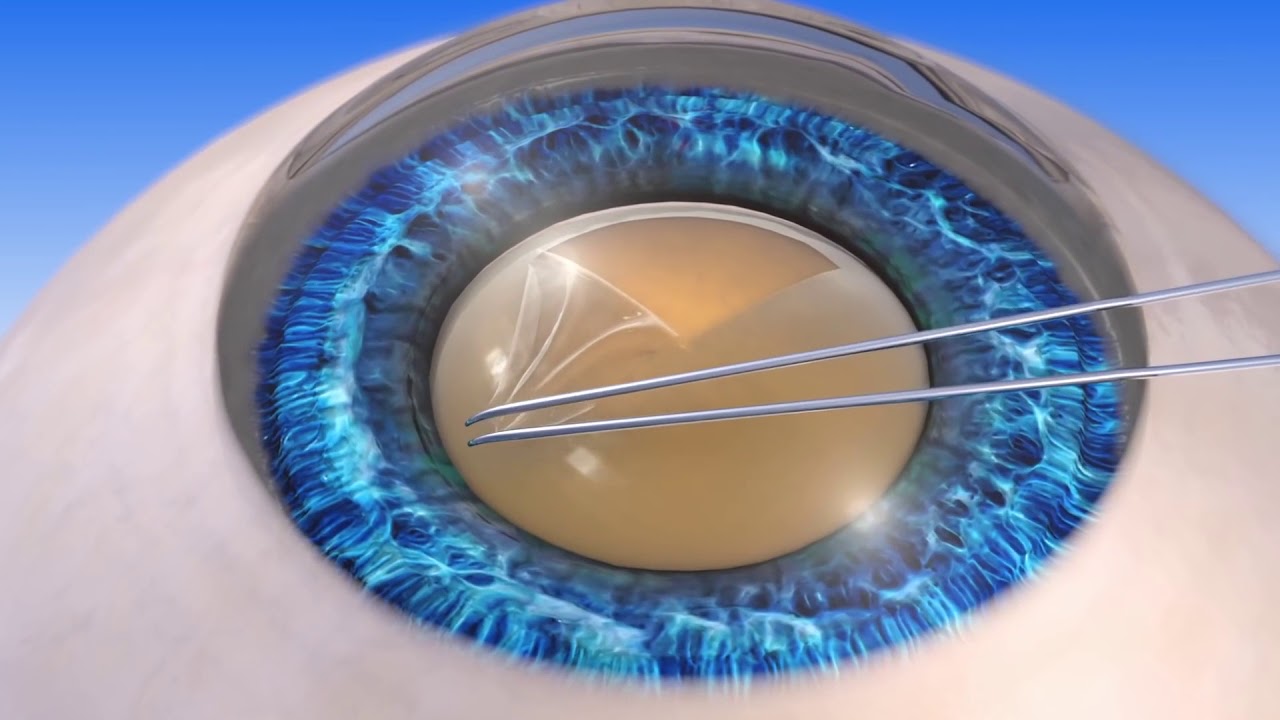
For individuals who are badly myopic or farsighted as well as can not undertake laser vision adjustment procedures such as LASIK or PRK, refractive lens exchange is a wonderful option. This treatment is done by changing your natural lens with a special intraocular lens (IOL) that corrects your refractive mistake and also eliminates the demand for glasses or contacts.
If look at these guys experience presbyopia, an age-related eye condition that triggers you to have difficulty seeing at close ranges, Refractive lens exchange is the most effective option offered to you. This is since LASIK can not successfully correct this eye trouble as it deals with the cornea.
For many people, the aging process triggers the lenses in their eyes to shed versatility and also become much less adaptable. This causes problems concentrating on up close objects such as analysis and dialing phones.
4. Monovision
Monovision is a method of vision adjustment that makes use of a call lens to correct for both far and wide ranges. It is most typically made use of to deal with presbyopia, which is an usual eye problem that occurs as individuals age.
https://pittsburgh.cbslocal.com/2019/06/17/lasik-eye-surgery-complications-fda-approval/ can additionally be an alternative to LASIK in some clients. With monovision, one eye is dealt with for distance vision as well as the various other is fixed for close-up vision (near vision).
Many people that utilize monovision get in touch with lenses do not need checking out glasses or glasses. Nonetheless, this is not constantly the instance.
In a small number of situations, it can be required to use glasses when working with fine information or concentrating on close-up items.
Surgical options for monovision consist of laser surgical treatment and intraocular lens insertion. In the short-term, monovision may be attempted with contact lenses to figure out if it is appropriate for a patient.